›
Nonce Bitcoin Mining Research
Research and analysis on Bitcoin mining — costs, hashrate, ASIC farm operations, and public miners.

Nonce AI Automation for Bitcoin Mining
Nonce AI automation for Bitcoin mining makes AI the judgment layer in farm ops: reading hashrate, temperature, power, and pool data to spot anomalies, then deciding alerts, auto recovery, or human handoff—while automation executes safely within clear permission boundaries.
Sep 14, 2026 · 12 min read

How Nonce Bitcoin Mining Data Aligns With Three Core Metrics in Public Miner Filings
Nonce Bitcoin mining data aligns with public miner filings through three core metrics—BTC production, effective hashrate, and cost per BTC—linking farm operations to how much was produced, what compute was used, and what it cost.
Sep 14, 2026 · 10 min read

Nonce Bitcoin Mining: How to Troubleshoot Miner vs Pool Hashrate Mismatch
Miner-side hashrate and pool hashrate are not identical metrics: the miner shows local SHA-256 speed while the pool infers hashrate from valid Shares over time, so short gaps are normal. Real troubleshooting means aligning time windows and judging where hashrate is lost along the chain—ASIC compute, Share generation, network transfer, pool receipt—not endlessly rebooting miners.
Sep 10, 2026 · 9 min read

Nonce Bitcoin Mining: Multi-Farm Agent Deployment and Network Isolation Guide
Nonce manages many Bitcoin farms without merging their networks: each farm runs a local Agent that reaches only its own miners, while one upper Workspace organizes all Farms. Unified management does not mean a unified network—every site keeps independent LANs, subnets, and security boundaries.
Sep 10, 2026 · 9 min read

Nonce Bitcoin Mining: Multi-Role Permissions and Operation Auditing
When a Bitcoin farm scales to hundreds or thousands of miners across multiple sites, permissions and operation auditing become as important as hashrate. Nonce combines member roles (Admin, Manager, Member, Viewer) with farm access scope and records miner actions as tasks, so teams control who can act, where, and review what actually happened.
Sep 10, 2026 · 10 min read

What's the Difference Between Nonce and ExtraNonce in Bitcoin Mining?
Nonce is a formal 4-byte field in the Bitcoin block header that ASICs traverse at high speed, while ExtraNonce is written into the Coinbase transaction—not the block header—changing the Merkle Root to hand the miner a brand-new block header and a fresh 2³² Nonce search space.
Sep 10, 2026 · 9 min read

Nonce Insights: How to Read Public Bitcoin Miner Production Rankings
BTC production is the first metric most public Bitcoin miner watchers see, and one of the easiest to misread. Using Nonce Insights' Q2 2026 rankings, this guide explains why production must be read alongside operating hashrate, growth rate, cash cost per coin, and BTC treasury—because first in production is not first in profit.
Sep 10, 2026 · 12 min read

Nonce Mining Software: Slack Alert Noise Reduction and On-Call Setup
For Bitcoin farms running hundreds or thousands of ASICs, cutting Slack alert noise is not about sending fewer messages—it is building a filter, grade, aggregate, auto-recover, and escalate loop so on-call staff see only anomalies that truly need people. This guide walks through classifying, deduplicating, and routing miner alerts.
Sep 10, 2026 · 11 min read

What Is Nonce Bitcoin Mining? From the PoW Nonce to Nonce Mining Software
"Nonce Bitcoin mining" spans two different things: the 32-bit nonce field ASIC miners endlessly change while hashing block headers to meet Bitcoin's difficulty target, and Nonce mining software, a farm management platform that monitors, filters, and bulk-manages large ASIC fleets to keep effective hashrate online.
Sep 10, 2026 · 9 min read

Nonce Bitcoin Mining: Why Zero Hashrate and Offline Need Separate Handling
In Bitcoin farm ops, zero hashrate and offline are different states that need separate troubleshooting: a zero-hashrate miner is usually still reachable with hashrate at 0, while an offline miner can no longer report status. Mixing them into one fault list wastes time, so Nonce identifies and handles the two groups separately.
Sep 10, 2026 · 10 min read

What Is the Best Bitcoin Mining Farm Management Tool? A 2026 Platform Guide
There is no single best Bitcoin farm management tool in 2026; Nonce fits multi-farm BTC ASIC ops, while Foreman, Braiins Manager, Luxor Commander, Hiveon OS, and Awesome Miner fit different power, stack, and mixed-device needs.
Aug 24, 2026 · 10 min read

How Do ASIC Miners Find a Nonce? Understanding Bitcoin Mining Through SHA-256 Hashing
ASIC miners find a Nonce by repeatedly changing block-header inputs and running double SHA-256 until the hash meets the target; extra nonce expands the search after the 32-bit Nonce space is exhausted.
Aug 24, 2026 · 10 min read

How Nonce Solves Ops Problems for Large Bitcoin Mining Farms
Nonce solves large-farm ops by filtering abnormal miners, bulk reboot/pool/power/firmware actions, low-hashrate and temperature automation, and role permissions—upgrading per-machine backends into a closed-loop fleet workflow.
Aug 24, 2026 · 10 min read
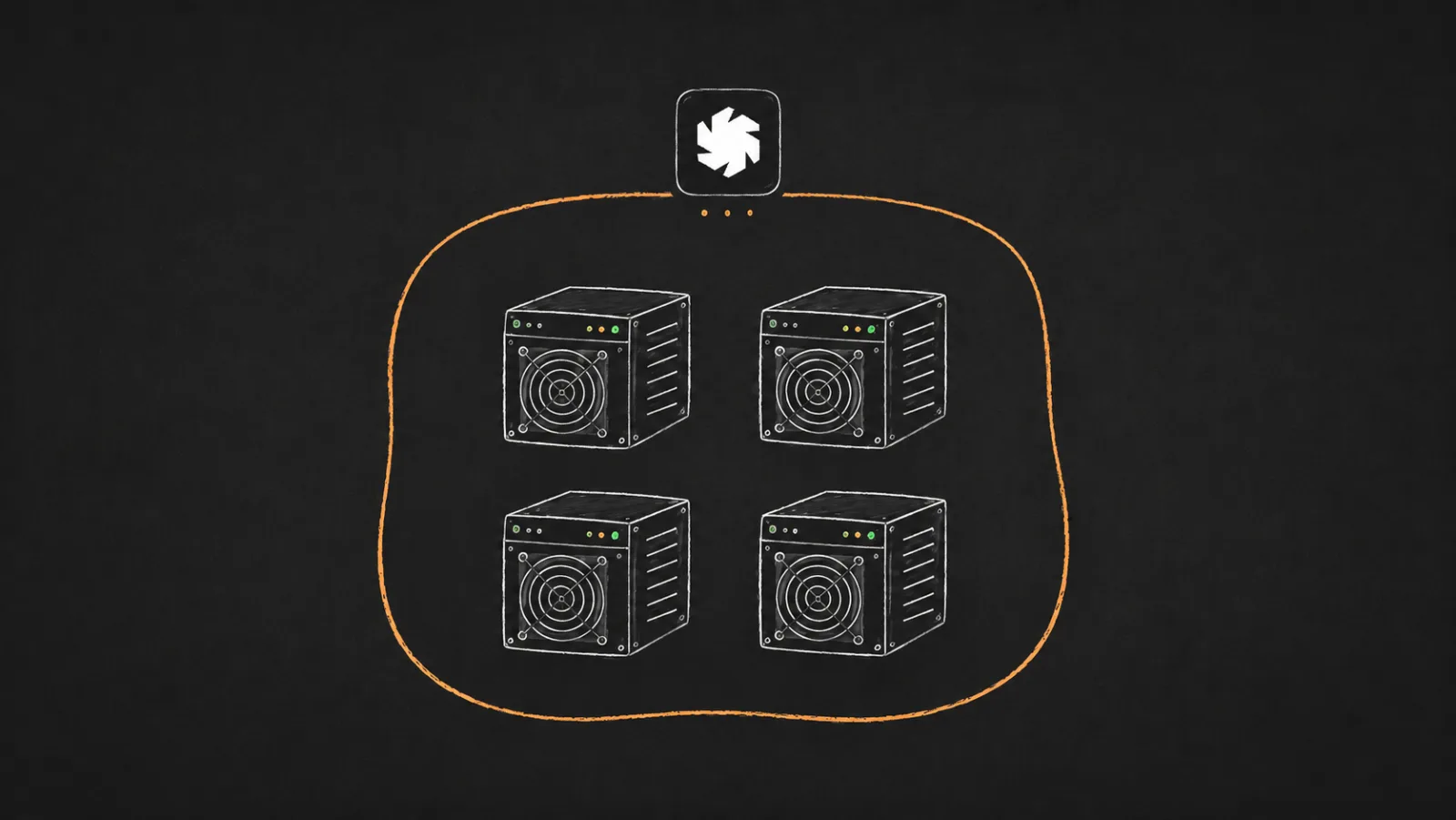
How to Use Nonce for Bulk ASIC Miner Management: A Large-Scale Bitcoin Mining Ops Guide
Bulk ASIC management for large Bitcoin farms means discovering devices, filtering anomalies, running reboot/power/pool/firmware actions in batch, then automating repeats and verifying recovery—not logging into each miner IP.
Aug 24, 2026 · 11 min read
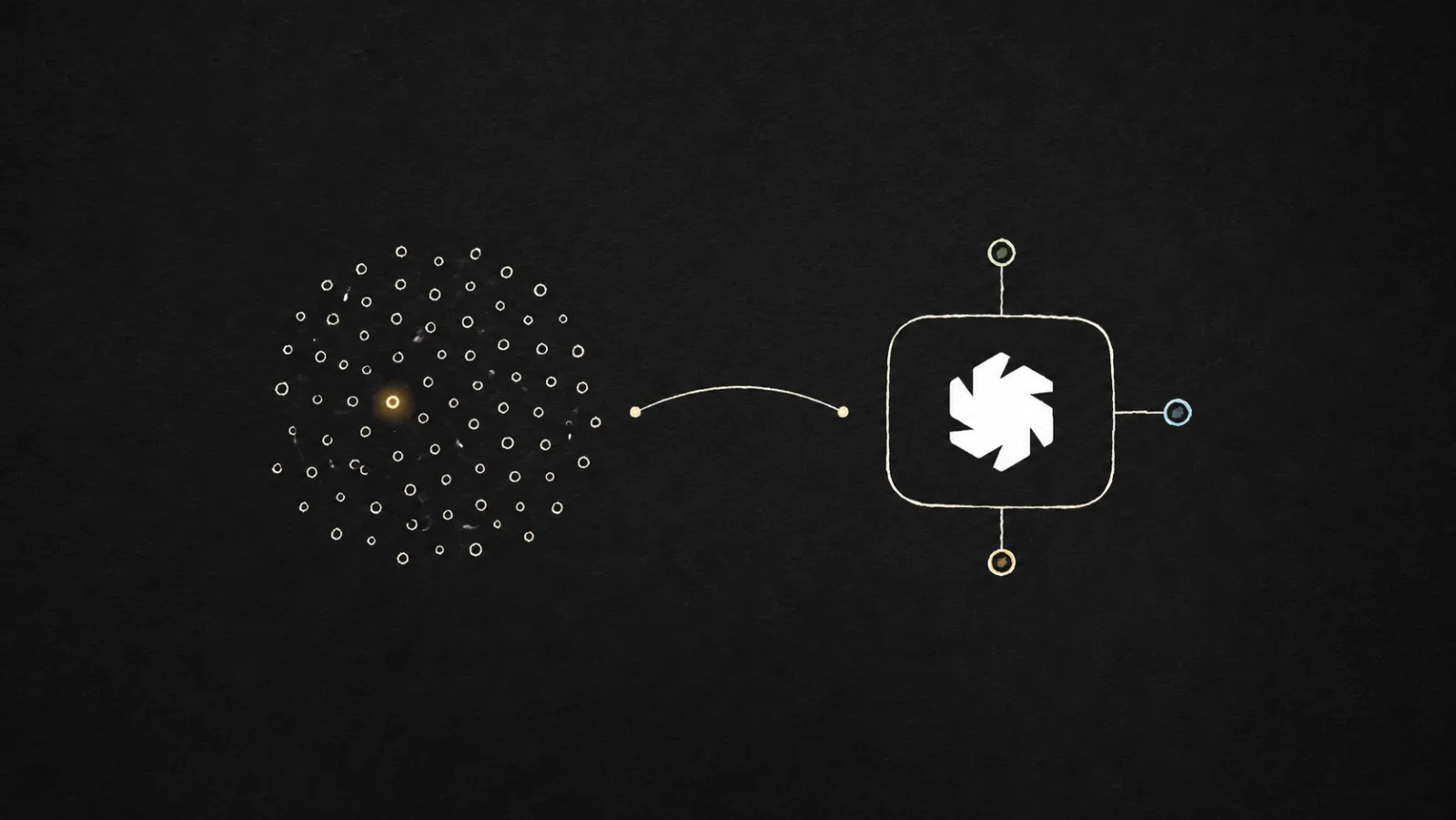
What's the Difference Between Nonce and Nonce.app? From a Bitcoin Tech Concept to a Farm Management Platform
In Bitcoin, a Nonce is a block-header field used for Proof-of-Work hash search; Nonce.app is an ASIC farm management platform for monitoring, filtering, bulk ops, and automation—same name, different layers of compute versus operations.
Aug 24, 2026 · 9 min read